
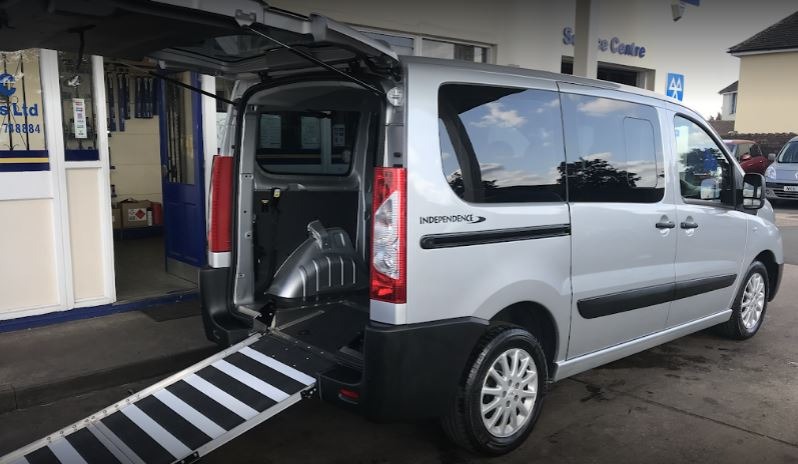
What Is a Wheelchair Accessible Vehicle?
A wheelchair accessible vehicle—commonly known as a WAV—is a specially adapted car, MPV, or van designed to make travel safer, easier, and more comfortable for wheelchair users. Unlike standard vehicles, WAVs are engineered so a wheelchair user can enter, exit, and travel without needing to transfer into a traditional car seat. This can be life‑changing for families, carers, and individuals who rely on a wheelchair for mobility.
Understanding what a WAV is, how it works, and what options are available is essential if you’re considering one for the first time. This guide explores everything from core features to the different types of WAVs and how to choose the right one.
What Makes a Vehicle Wheelchair Accessible?
A wheelchair accessible vehicle is defined by its adaptations—specialist modifications that allow a wheelchair user to travel safely and comfortably. These adaptations vary depending on the model and conversion, but they typically include a ramp or lift, a lowered floor or raised roof, and secure restraint systems.
The ramp or lift is one of the most recognisable features. Ramps are often lightweight, easy to deploy, and ideal for manual wheelchairs or lighter powerchairs. Lifts, on the other hand, are powered systems that raise and lower the wheelchair user smoothly, making them perfect for heavier chairs or users who need additional support. Both systems are designed to make entry and exit as seamless as possible, reducing strain on carers and improving independence for the wheelchair user.
Another key adaptation is the lowered floor, which increases internal headroom and creates a more natural seating position for the wheelchair user. This modification ensures that the wheelchair user can travel comfortably without feeling cramped or unstable. In some conversions, the roof may be raised instead, but lowered floors are more common because they also improve the angle of the ramp.
Inside the vehicle, restraint systems keep the wheelchair securely in place during travel. These systems are crash‑tested and designed to meet strict safety standards. They typically include front and rear tie‑downs, along with a seatbelt that is positioned specifically for wheelchair users. Together, these features transform a standard vehicle into a safe, accessible mode of transport.
Who Are Wheelchair Accessible Vehicles For?
Wheelchair accessible vehicles are designed for anyone who relies on a wheelchair, whether full‑time or part‑time. They are used by families, carers, support workers, and individuals who want greater independence. For many, a WAV is not just a vehicle—it’s a gateway to everyday life, enabling school runs, medical appointments, work commutes, and social outings.
Families often choose WAVs because they eliminate the need for lifting or transferring the wheelchair user, reducing physical strain and making journeys smoother. Carers and support workers benefit from the improved safety and efficiency that WAVs offer, especially when transporting individuals with complex mobility needs.
For individuals who want to drive, specialist WAVs allow the wheelchair user to either drive from their wheelchair or transfer to a standard driver’s seat using powered systems. This level of independence can be transformative, offering freedom and flexibility that standard vehicles simply can’t provide.
Types of Wheelchair Accessible Vehicles
There are several types of WAVs, each designed to meet different needs and lifestyles. Understanding the differences will help you choose the right one.
Rear‑Entry WAVs
Rear‑entry WAVs allow the wheelchair user to enter through the back of the vehicle via a ramp or lift. This configuration is popular because it offers straightforward access and is often more affordable than side‑entry conversions. Rear‑entry WAVs are particularly practical in tight parking spaces, as you don’t need extra room on the side of the vehicle to deploy the ramp.
Inside, the wheelchair user typically travels in the rear or mid‑section of the vehicle. This setup works well for families and carers who want a simple, reliable solution that prioritises ease of use.
Side‑Entry WAVs
Side‑entry WAVs allow access through the side door, usually with a powered ramp or lift. These vehicles are ideal for wheelchair users who want to sit closer to the front or even drive the vehicle. Side‑entry WAVs are often chosen by individuals who value independence, as they offer more flexibility in seating positions and driving adaptations.
However, they do require more space to deploy the ramp, which means parking considerations are important. Despite this, many users prefer the convenience of kerbside entry and the ability to sit alongside other passengers.
Drive‑From‑Wheelchair WAVs
Drive‑from‑wheelchair vehicles are highly specialised and designed for maximum independence. They allow the wheelchair user to drive without transferring from their chair. These WAVs include advanced docking systems that secure the wheelchair in the driver’s position, along with customised driving controls such as hand controls, steering aids, or electronic systems.
This type of WAV is ideal for individuals who want full control over their mobility and prefer not to rely on others for transport. The level of customisation available means the vehicle can be tailored to the user’s exact needs.
Internal Transfer WAVs
Internal transfer WAVs allow the wheelchair user to enter the vehicle in their chair but transfer to a standard driver’s seat once inside. This option is perfect for people who prefer the feel of a traditional driving position but still need accessible entry. Powered transfer seats and rotating bases make the process smooth and safe.
These vehicles offer a balance between accessibility and a conventional driving experience, making them a popular choice for many drivers.
Key Features to Look For in a WAV
Choosing the right WAV involves understanding which features matter most for your lifestyle. One of the first decisions is the entry method. Rear‑entry WAVs are often easier for carers and families, while side‑entry WAVs are better suited to drivers or those who want to sit near the front.
Another important consideration is whether you need a ramp or lift. Ramps are simple, reliable, and cost‑effective, while lifts offer powered assistance and are ideal for heavier wheelchairs. The choice often depends on the user’s mobility level and the type of wheelchair they use.
Interior space is also crucial. Make sure the vehicle offers enough headroom, width, and manoeuvring space for the wheelchair user to travel comfortably. Seating layout matters too—some WAVs position the wheelchair user in the rear, while others allow mid‑vehicle or front‑passenger seating.
Safety should always be a priority. Look for high‑quality restraint systems, crash‑tested conversions, and reputable converters. If the wheelchair user will be driving, consider the range of driving adaptations available, from hand controls to fully electronic systems.
Benefits of a Wheelchair Accessible Vehicle
A WAV offers far more than just transport. For many families, it provides a sense of freedom and normality that can be difficult to achieve with a standard vehicle. The ability to travel without lifting or transferring the wheelchair user reduces physical strain and makes journeys smoother and safer.
For wheelchair users, the increased comfort and independence can be life‑changing. Whether it’s attending appointments, visiting friends, or enjoying days out, a WAV opens up opportunities that might otherwise be challenging. The spacious interiors, secure restraint systems, and tailored adaptations all contribute to a more enjoyable travel experience.
How to Choose the Right WAV
Choosing the right wheelchair accessible vehicle involves balancing practical needs, comfort, and budget. Start by assessing the wheelchair user’s needs, including the size of the chair, mobility level, and preferred seating position. Decide whether rear‑entry or side‑entry access suits your lifestyle, and test different models to see how they feel in real‑world situations.
It’s also important to consider the quality of the conversion. Look for reputable converters, crash‑tested designs, and vehicles that feel solid and well‑engineered. Think about future needs too—especially if the wheelchair user is a child or if mobility needs may change over time.
Finally, review running costs such as fuel efficiency, insurance, and maintenance. A WAV is a long‑term investment, so it’s worth taking the time to choose the right one.